DASHBOARD AND WIDGET DESIGN
Dashboard design
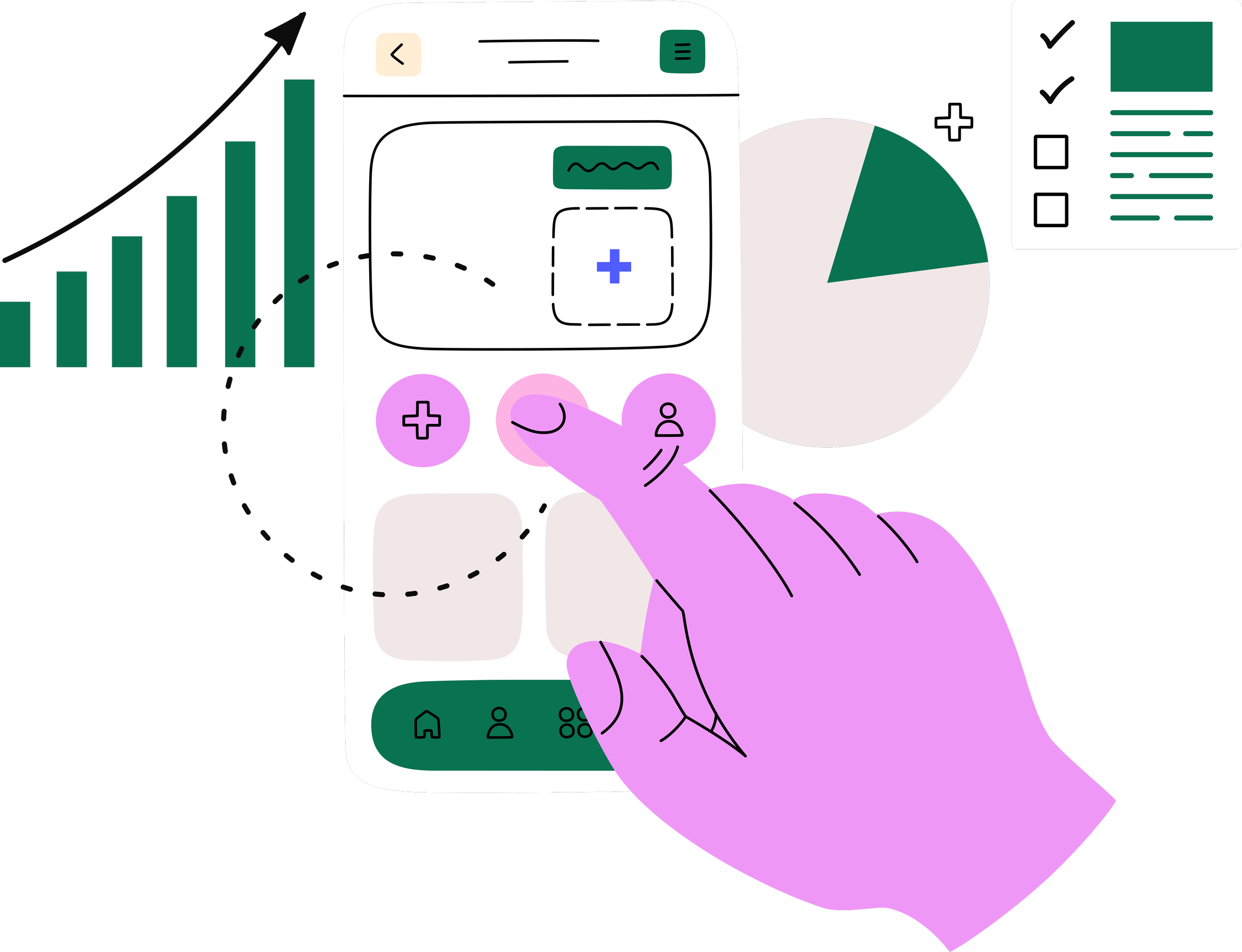
Progress tracking is especially valuable in education because learning is often a long-term journey rather than a single task.
Showing progress visually gives learners a sense of movement and achievement, helping them understand how individual activities contribute to a larger goal. It can also make the next step more obvious, reducing the cognitive effort required to work out where they are in a course or programme and what they should focus on next.
A well-designed education dashboard can act as a navigation and motivation layer for the learning experience. By bringing together progress, upcoming activities, deadlines and key milestones in one place, it gives learners a clear sense of direction and helps them stay oriented throughout their journey.
For education providers, it also creates an opportunity to surface useful interventions earlier, helping learners stay on track rather than only identifying problems once they have fallen behind.
Keeping learners moving forward…
Challenges:
Members have many portals and platforms to access to manage their learning experience - where do they find their progress?
How can we encourage them to keep learning and to complete what they have started?
Members also had a range of admin and payment tasks on their portal dashboards but these were more ‘yearly activities’
Members also had differing priorities depending on their profile, some were only doing professional development study yearly to meet their CPD requirements whilst other members were deep in their Grad Dip study and studying daily or at least accessing their learning environments regularly if not weekly.
Approach:
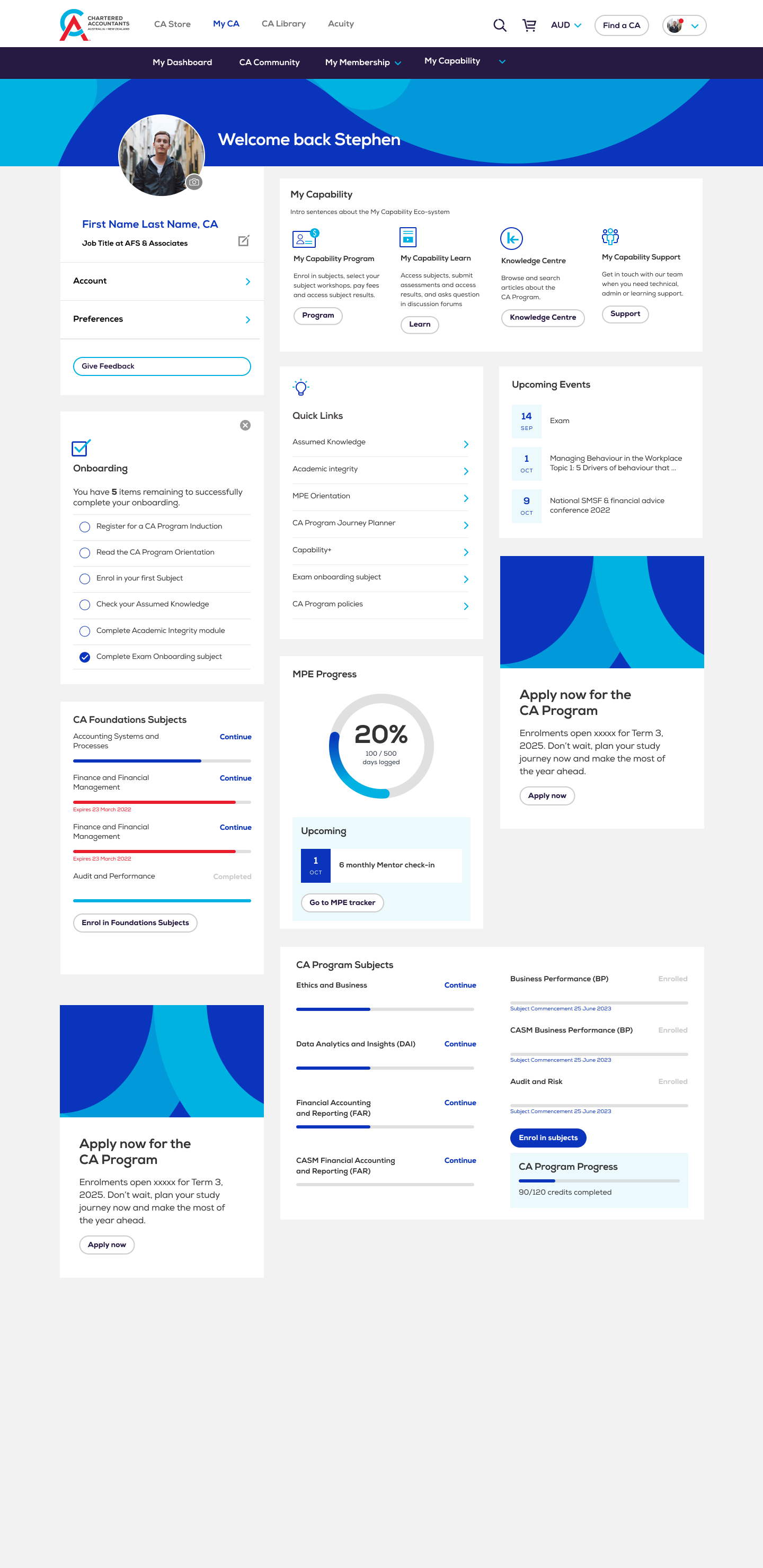
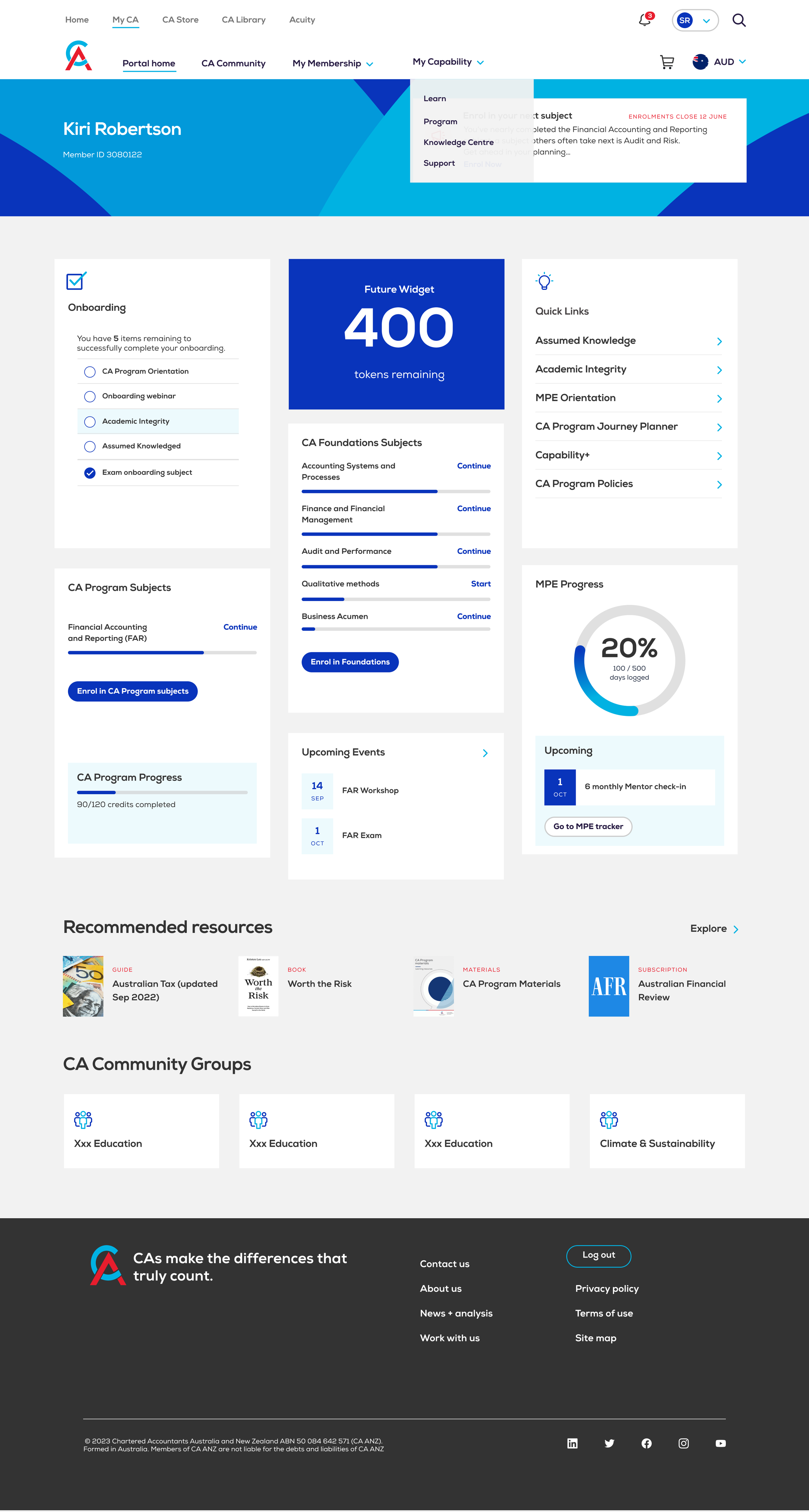
Leveraging existing member dashboards and what was the start of a component library we designed bespoke widgets to track users progress through their learning based on persona and program.
Multiple personas catered for (7 +) — each with different tracking requirements
New design system components were added into the mix
Along-side tracking functionality quick links panels were defined based on persons to provide easy access to key platforms and places to mitigate some of the way-finding problems customers were having as they traversed multiple platforms within the eco-system
Future integrations will be required ongoing from downstream portals and systems to feed the widgets over-time to make them live and relevant at any point in time.